

Gas Appliance Installation is a highly technical, critical milestone in upgrading your property that absolutely demands flawless precision. Let’s be completely honest for a moment. Buying a beautiful, professional-grade, six-burner gas range or a massive, high-efficiency gas dryer is an incredibly exciting moment.
You picture yourself cooking massive holiday dinners flawlessly or drastically cutting down your laundry time. You are eager to slide the shiny new machine into place and start turning the dials immediately.
However, connecting these powerful machines to your home’s infrastructure is nothing like plugging a television into a wall outlet. You are actively dealing with highly pressurized, highly combustible natural gas.
Treating this setup as a casual afternoon chore or trusting a delivery driver to “just hook up the hose” is a terrifying gamble with your family’s lives. The margin for error is absolutely zero.

Relying on elite, legally certified craftsmen, like the meticulous experts at The Plumbing Solution, is the only way to guarantee that your exciting new purchase doesn’t become a structural hazard.
In this comprehensive guide, we are going to explore the explosive reality of amateur gas connections, why old pipes ruin new machines, and how investing in a master-level gas appliance installation completely secures your peace of mind.
One Microscopic Mistake Turns a Gas Appliance Installation into a Disaster
It is incredibly easy to underestimate the power of invisible fuel. When you look behind your stove, you just see a simple yellow hose and a metal valve. It looks deceptively simple to manage.
Because it looks so simple, millions of homeowners fall into a highly dangerous psychological trap. They assume that if the pipe is tight and they don’t immediately smell sulfur, the job was done perfectly.
This assumption is how neighborhoods are leveled. Picture this very realistic, completely avoidable crisis.
You decide to save a hundred dollars by sliding your new oven into place yourself. You reuse the old, stiff, corrugated gas flex-line that has been sitting behind the old stove for a decade. As you push the heavy new oven against the wall, you accidentally crimp that aging metal hose, creating a microscopic, invisible hairline fracture.
Throughout the night, raw natural gas silently bleeds into the sealed cavity behind your kitchen cabinets. By 6:00 AM, the gas-to-air ratio in your kitchen reaches the lower explosive limit. The exact moment your refrigerator compressor clicks on to cool your groceries, it creates a tiny electrical arc.
That single, invisible spark ignites the accumulated gas. What was supposed to be a cheap, DIY gas appliance installation instantly transforms into a catastrophic, multi-million dollar structural explosion.
Put Down the Wrench: Why Combustible Systems Are Never a Weekend Project
We currently live in an era where internet videos convince us we can conquer any home repair with a basic toolbox and ten minutes of our time. While fixing a leaky bathroom faucet yourself is commendable, touching your home’s gas lines is a completely different universe.
Tackling a gas appliance installation without rigorous, professional certification is not just incredibly dangerous; it is strictly illegal in most municipalities.
Let’s examine the actual physics of joining gas pipes. If you buy the wrong type of thread sealant at the hardware store—using white plumbing tape instead of the dense, chemically resistant yellow gas tape—the natural gas will literally eat through the tape over a few months.
Furthermore, if you overtighten a brass fitting onto an iron pipe using two heavy wrenches, you can easily crack the softer brass without even realizing it. Gas does not drip and leave a puddle on the floor to warn you of a leak. It escapes silently into the air you breathe.
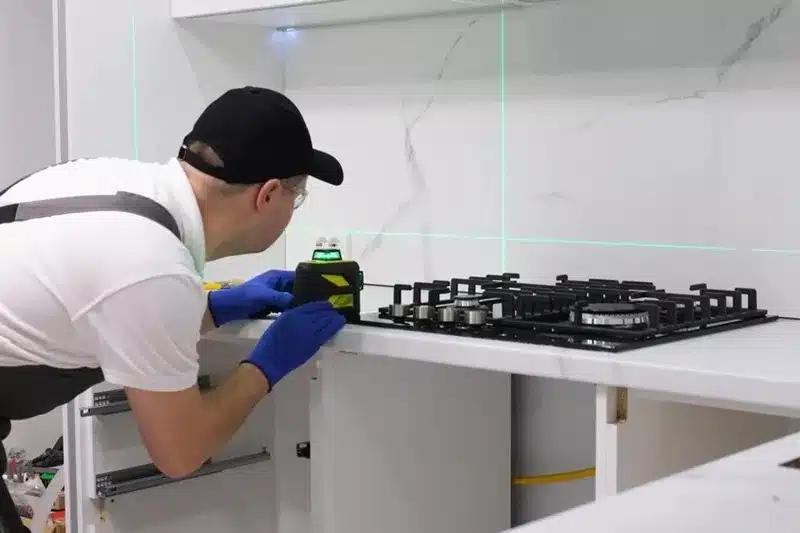
Certified engineers understand exactly how much torque a specific metal joint can withstand. They understand combustion physics, ventilation requirements, and the strict legal codes that keep your property insurable.
The Plumbing Solution’s Elite Approach to Gas Appliance Installation
When you are inviting someone to open the combustible fuel lines inside your living space, you need absolute, unwavering trust in their competence. You need craftsmen who respect the lethal potential of natural gas.
This is precisely where the elite, uncompromising standards of The Plumbing Solution shine the brightest. They do not view hooking up your stove as a simple, five-minute delivery task.
They view every single gas appliance installation as a critical safety operation. Their protocol is deeply rooted in intense preparation, supreme cleanliness, and scientifically proven testing methods.
Before they ever unbox your new machine, they inspect the existing shut-off valves. If the old iron valve is corroded or seized, they do not force it; they safely isolate the gas main and replace the hazardous valve entirely.
Most importantly, they do not rely on just their noses to check for leaks. After the connection is made, they use highly calibrated, commercial-grade electronic gas sniffers that can detect parts-per-million of combustible fuel in the ambient air. They scientifically prove that your home is secure before they ever leave your kitchen.
What Actually Happens During a Premium Gas Appliance Installation?
So, what does a professional integration actually look like when it is done by the book? It involves a series of strict, mandatory steps designed to protect both the machine and your home.
Whether you are upgrading your culinary workspace or modernizing your laundry room, a master engineer ensures the equipment operates at peak, factory-rated efficiency.
Here are the critical elements that define a flawless, elite gas appliance installation:

- Brand New Connectors Every Time: A true professional will physically destroy and throw away the old, corrugated flex-line. They strictly use brand new, legally certified, stainless-steel gas connectors that are rated for the exact BTU output of your new machine.
- Precision Burner Calibration: On high-end gas ranges, the technician doesn’t just turn the gas on. They manually adjust the air shutters on every single burner to ensure the flame is a crisp, perfect blue. A lazy yellow flame means incomplete combustion, which pumps deadly carbon monoxide directly into your kitchen.
- Exhaust and Ventilation Audits: If they are performing a gas appliance installation for a new clothes dryer, they rigorously inspect the rigid metal exhaust venting to ensure zero lint blockages exist, eliminating a massive hidden fire hazard.
5 Critical Questions About Your Upcoming Gas Appliance Installation
Bringing a new, powerful machine into your home naturally raises some logistical concerns. Let’s clear the air and address the most urgent questions homeowners face before delivery day.
1. Can the big-box store delivery guys just install my new gas stove for me? You should fiercely avoid this. Delivery drivers are logistics experts, not certified gas engineers. They are often rushed, underpaid, and uninsured for complex plumbing tasks. They frequently reuse old, dangerous hoses just to get to their next stop quickly. Always hire an independent, certified expert for the actual connection.
2. I’m upgrading to a massive, commercial-style range. Do I need a new gas pipe? Very likely, yes. A massive, six-burner professional range pulls a staggering amount of British Thermal Units (BTUs). If your old stove was fed by a standard half-inch pipe, it will instantly starve the new appliance, causing the burners to sputter and fail. Upgrading to a three-quarter-inch supply line is a common necessity during a high-end gas appliance installation.
3. Is it normal to smell a tiny bit of gas the first time I turn the new oven on? You might smell a strange, burning chemical odor the first time you heat up a brand-new oven, which is just the factory oils burning off the insulation. However, you should never smell the distinct, rotten-egg odor of raw natural gas. If you do, shut the valve off immediately and evacuate.
4. Will my manufacturer’s warranty be voided if I install the gas dryer myself? Absolutely. Almost every single premium appliance manufacturer explicitly states in their manual that the warranty is completely void if the unit is not installed by a legally certified, licensed professional. If the machine breaks in six months, they will demand to see the installation receipt before they honor the repair.
5. How long does a perfectly executed gas appliance installation actually take? If the existing shut-off valve is modern, easily accessible, and perfectly sized for the new appliance, a certified professional can complete the physical connection, the electronic leak testing, and the burner calibration in roughly 45 minutes to an hour.
Wrapping Up: Securing Your Home with a Masterful Gas Appliance Installation
At the end of the day, the invisible fuel lines hidden behind your drywall and cabinets dictate the daily functionality and absolute safety of your entire household.
Trying to manage this highly explosive, pressurized transition by watching a tutorial or hunting for the cheapest, uncertified labor is a massive financial and physical risk. Stubbornly reusing a fifteen-year-old gas hose to save twenty dollars is an unforgivable gamble with your property.
Embracing the profound value of a meticulous, legally certified gas appliance installation is a direct investment in your absolute peace of mind. It shifts your mindset entirely from worrying about faint smells in the kitchen to simply enjoying cooking for your family.
When you build a strong relationship with an elite plumbing provider, you stop stressing over the mechanical integrity of your home. You become a highly responsible, stress-free steward of your property’s infrastructure.
The dedicated craftsmen at The Plumbing Solution understand this intensely personal dynamic flawlessly. They treat your home’s gas infrastructure with the exact same strict, unforgiving safety protocols they use to protect their own families. Relying on their uncompromising expertise guarantees that your exciting new purchase remains a safe, flawless addition to your home. Do the job right the first time, and enjoy the profound comfort of absolute safety.
A Direct Conversation About Your Family’s Safety
Let’s step completely away from the BTU ratings, the thread sealants, and the technical codes for just a minute. I want to speak to you plainly as someone who understands the intense, underlying stress of maintaining a safe home. There is a deeply unsettling, primal knot that forms in your stomach when you catch even the faintest whiff of sulfur in your hallway.
The constant, exhausting anxiety of wondering if the fitting behind the stove is slowly leaking while your children are asleep is a burden you simply do not deserve to carry. I have seen the absolute terror on the faces of homeowners standing on their lawns in the middle of the night, waiting for the fire department to clear their house because an amateur handyman didn’t tighten a brass nut correctly.
The truest, deepest value of paying for a premium gas appliance installation is not just getting the stove to turn on. It is buying yourself profound, guaranteed, unshakeable peace of mind. It is waking up every single morning, walking into your kitchen, and knowing with absolute certainty that your environment is secure.
Please, do not wait for the carbon monoxide alarm to start screaming to realize the value of professional engineering. Take absolute control of your home’s safety today. Write down the contact information for the genuine experts at The Plumbing Solution right now, and stick it firmly on your fridge. Executing a home upgrade with calculated, calm preparation rather than panicked, DIY guesswork is the ultimate responsibility you owe to your household. Cook with joy, dry your clothes with ease, and never underestimate the immense, lasting power of doing a dangerous job perfectly.